Youth Athletic Development
Building FITNESS FOUNDATIONS FOR LIFE.
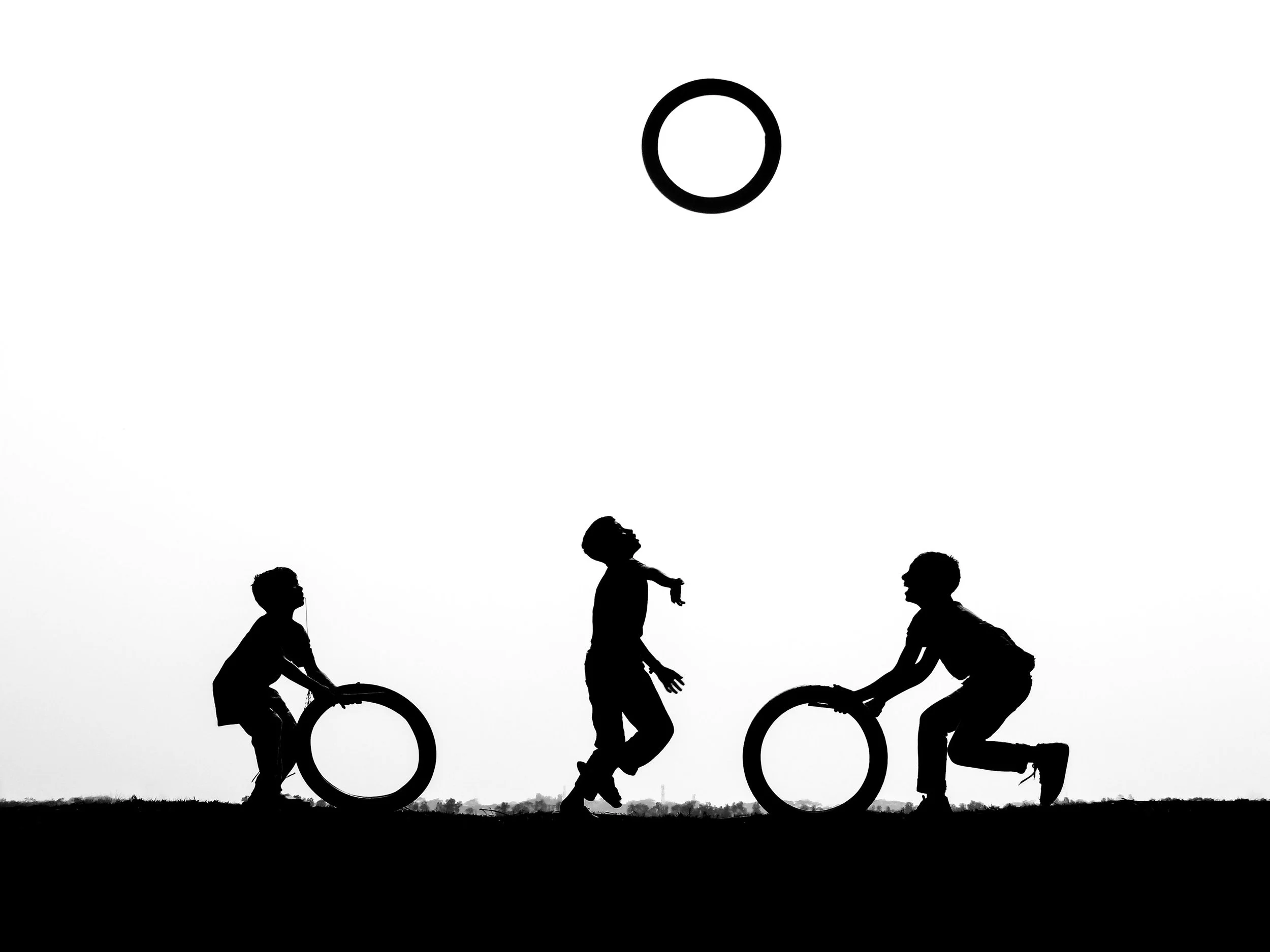
Today’s young athletes often train like mini-professionals, focusing on winning and specializing above all else. But true long-term athletic development comes from mastering movement first: coordination, balance, strength, and body awareness that translate to sport, fitness, and everyday life. Early specialization is the enemy of long-term progress and sustainability.
Our Youth Athletic Development program builds those foundations. Through targeted private sessions, we guide each child, from first-time movers to high-school competitors, toward greater confidence, resilience, and athletic competence.
LONG TERM ATHLETIC DEVELOPMENT
We structure every session around Long-Term Athletic Development ("LTAD") principles: teaching movement skills in age-appropriate stages, from play-based coordination drills to disciplined strength and speed work. That ensures each athlete develops safely, steadily, and sustainably, building toward peak performance without rushing the process. Learn more about the LTAD Model below.
Our Youth Athletic Development program is designed to set your child up for long-term, sustainable success in all physical aspects of life

Ages 0–6
Active Start
This is the critical phase for acquiring fundamental movement skills like running, jumping, catching, and kicking. We focus on semi-structured play and diverse activities across all environments to promote physical literacy. Early exposure helps build confidence, competence, and enjoyment of physical activity.

Ages 6–9
FUNdamentals
This stage focuses on physical literacy. Kids are introduced to basic sports skills in fun, game-based formats. We refine coordination and balance while encouraging variety in movement experiences, including jumping, skipping, throwing, rolling, and more.

Ages 8–12
Learn to Train
This is a critical period of coordination and fine motor control, when humans are most receptive to skill development and movement pattern refinement. We introduce proper technique for running, jumping, landing, and even weight lifting. Learning is encouraged through repetition, problem-solving, and variation.

Ages 11–16
TRAIN TO TRAIN
Athletes in this stage are growing rapidly and developing physically. Our training increases in structure and intensity. We emphasize energy system development, progressive resistance, sprint technique, and positive lifestyle habits. This stage prioritizes long-term growth over short-term outcomes and continues to build physical competence under load.
Ages 15–18
LEARN TO COMPETE
This stage introduces competitive dynamics. Athletes train for position-specific technical skills, but with recovery, mental prep, and load management prioritized. Our approach emphasizes how to compete well, with character and respect. Sessions integrate tactical awareness, physical challenge, and coaching feedback.

Ages 11–16
TRAIN TO COMPETE
This is advanced performance training, typically reserved for late high school, collegiate, or post-rehab athletes preparing for their peak. Emphasis is placed on refining outputs (speed, power, strength) without compromising health. Programming includes performance tracking, deloading, and goal-based periodization to match seasonal demands.

Ages 18+
TRAIN TO WIN
Only a small number of athletes truly reach this phase. This is where extreme performance above all else becomes the focus, supported by years of foundational work. While we don’t claim to produce Olympians (yet), we offer support athletes through our Premium Online Coaching service.
Frequently Asked Questions
-
We welcome clients from about six through seventeen years old. Sessions are typically organized by developmental stage, which keeps instruction appropriate to growth spurts, coordination levels, and learning capacity.
-
Each appointment is a one-to-one, coach-led session. That format lets us give exact cueing, adjust loading on the fly, and pace the session to the athlete’s focus and fatigue. Parents and family members are welcome to attend.
-
No. We aim to strengthen the athletic base (e.g., speed mechanics, strength, coordination, injury resilience) so sport practice can focus on tactics and skills. We stay in our lane, communicate when needed, and never override a team coach’s technical plan.
-
Early exposure to quality coaching is an advantage. We begin with simple exercises, play-based activities, and low-impact strength work that build confidence alongside competence. Past experience is welcome but not required.
-
Not at all. Everything essential can be done in our clinic. When homework makes sense, we design brief routines that fit small spaces: band work, body-weight circuits, or targeted warm-ups to use before practice.
-
Sessions are led by skilled Doctors of Physical Therapy. Loading, volume, and complexity progress only when movement quality and tissue tolerance allow. If an athlete is returning from injury, we coordinate with their medical team and can blend rehab priorities into the training plan.
Ready to get started?
No commitment required.